


📍 Oakland County, Michigan Election: Aug 4, 2026
Find Your Polling Place Request Absentee Ballot
Special Election · August 4, 2026

$750 Million
Blank Check.
No Plan. No Limit.

Oakland County already has the highest property taxes in Michigan. On August 4, school administrators are asking us to hand them another $750 million with no plan, no accountability, and no end in sight. This isn't about the kids. It's about a blank check.

$750M
Total Tax Burden
#1
Highest Taxes in MI
6
Years · No Cap
Tuesday
AUG 4
2026
Polls open 7am – 8pm. Bring photo ID. Tell five neighbors. That's how we win this.
$0M
Total Tax Burden
Over 6 years
$0M
Per Year, Every Year
Automatically rises
#0
In Michigan Property Taxes
Highest already
$0
Spending Restrictions
Zero accountability
— Who Pays

This tax doesn't fall on a faceless few.
It falls on everyone in Oakland County.

Senior on fixed income
Seniors on
Fixed Incomes
Young family
First-Time
Homeowners
Renter
Renters &
Apartment Dwellers
Small business owner
Small Business
Owners
Working parent
Working
Parents
Veteran
Veterans &
Retirees
— Their Words. Decoded.

We pulled the actual ballot language.
Here's what each phrase really means.

This is the exact wording Oakland County voters will see on the August 4 ballot. Every quote below is verbatim. The translations are plain English.

From the Official Ballot

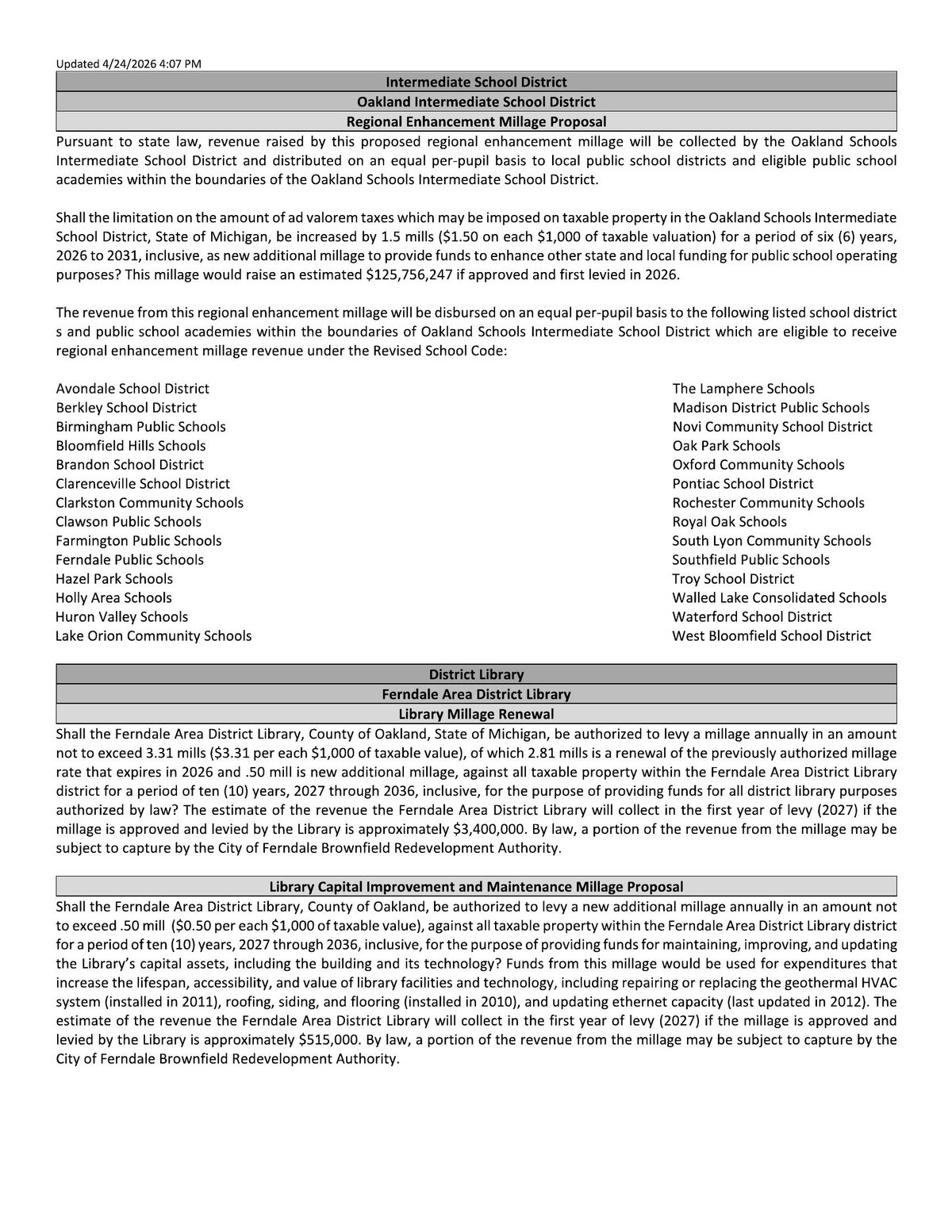
"Shall the limitation on the amount of ad valorem taxes which may be imposed on taxable property in the Oakland Schools Intermediate School District, State of Michigan, be increased by 1.5 mills ($1.50 on each $1,000 of taxable valuation) for a period of six (6) years, 2026 to 2031, inclusive, as new additional millage to provide funds to enhance other state and local funding for school operating purposes? This millage would raise an estimated $125,756,247 if approved and first levied in 2026."

— Oakland Schools Intermediate School District, August 4, 2026 ballot

01
From the ballot
...be increased by 1.5 mills...
Translation

Their own ballot uses the word INCREASED. Read it again. This isn't a renewal. It isn't a swap. It isn't a temporary fix. It's a brand new tax that goes on top of every property tax you already pay — and Oakland County already has the highest property taxes in Michigan.
02
From the ballot
...as new additional millage...
Translation

Two giveaway words from their own ballot. NEW. ADDITIONAL. The pro-tax campaign claims this is "the only mechanism school districts may use to increase per-pupil funding." That's their argument. Their ballot calls it new and additional. Believe their ballot.

03
From the ballot
...to enhance other state and local funding for school operating purposes...
Translation

"Enhance" means add to. "Operating purposes" means anything — administrator salaries, consulting contracts, office furniture, legal fees, software subscriptions, travel. The pro-tax site lists aspirational uses (teacher pay, mental health, safety) but quietly admits in italics: "actual use would be determined by each school district."

That's the entire fight in one sentence. The ballot has no required spending plan. No audit trail. No accountability mechanism. When a tax has no required purpose, it has no required outcome.

04
From the ballot
...would raise an estimated $125,756,247 if approved and first levied in 2026.
Translation

That number — $125,756,247 — is just year one. The ballot makes that one figure prominent and lets you stop reading. Don't.

This is a six-year tax. Total burden on Oakland County families: roughly $755 million dollars. And because the tax is assessed on taxable value, the bill rises automatically every year as Oakland property values rise — no new vote required.

05
From the ballot
...distributed on an equal per-pupil basis to local public school districts...
Translation

The 28 districts that receive this money include Bloomfield Hills, Birmingham, Rochester, Troy, Novi, West Bloomfield, Lake Orion, Clarkston, and Walled Lake — among the wealthiest school districts in Michigan, several with eight-figure reserves.

Rochester Community Schools alone spends over $15,000 per student — more than most private schools in Michigan — and maintains roughly $48 million in reserves. Under "equal per-pupil," your tax dollars flow to districts that don't need them, at the same rate as districts that genuinely struggle.

See it for yourself.

Below is the actual ballot language from the Oakland Schools Intermediate School District, dated April 24, 2026 — exactly as it will appear on your August 4 ballot.

Official August 4, 2026 Oakland Schools Intermediate School District Regional Enhancement Millage Proposal ballot language
The Truth
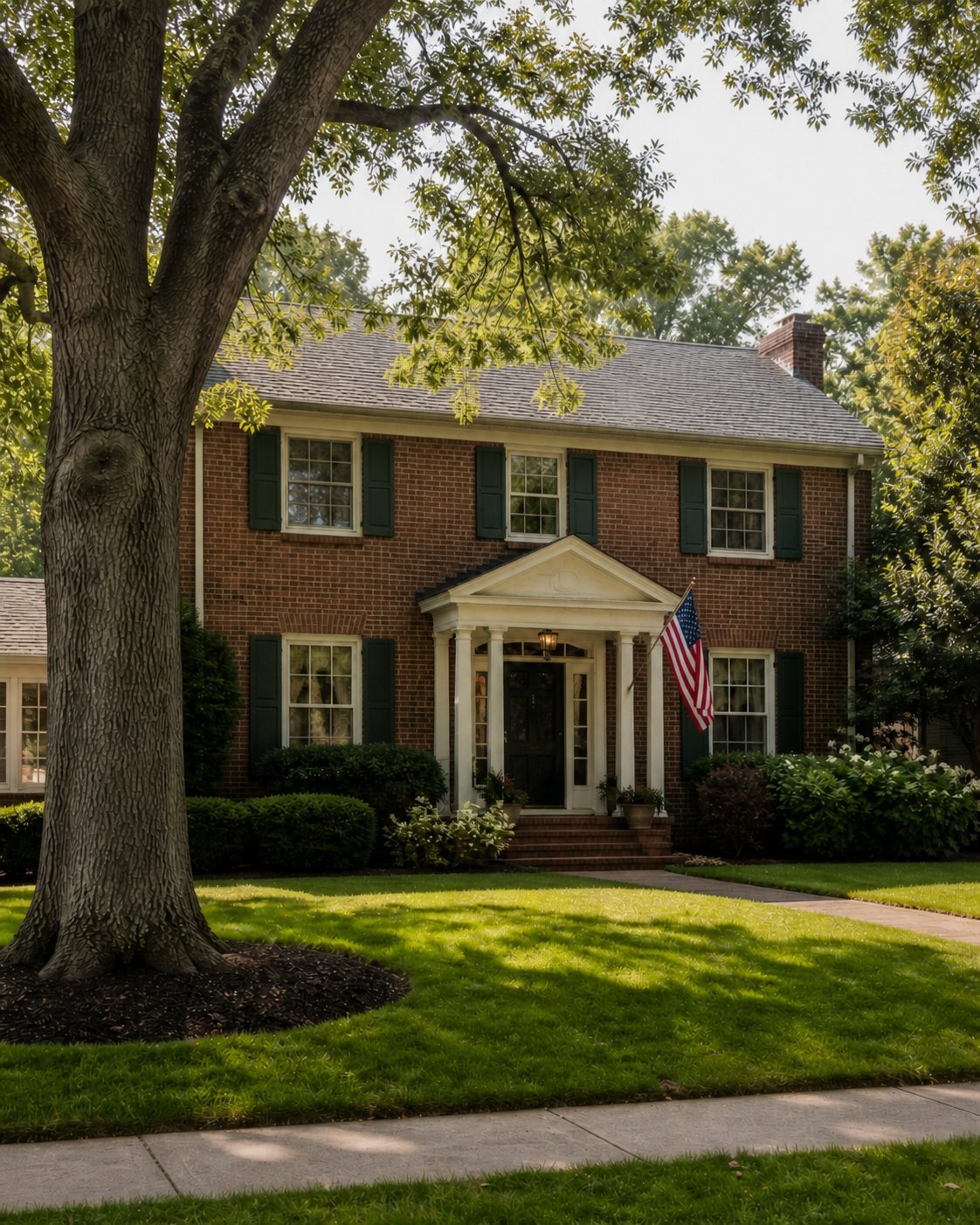
Suburban Michigan home
$750M
BLANK CHECK
— What's On The Ballot

Read the fine print. Then read it again.

On August 4, 2026, Oakland County voters will be asked to approve a new countywide 1.5-mill Regional Enhancement Millage — a property tax stacked directly on top of every other tax we already pay.

It runs for six years. It generates roughly $125 million per year. There are zero restrictions on how districts spend the money. And once it's on the books, it never goes away — it just gets renewed, raised, and normalized.

This isn't opposition to teachers. It isn't opposition to schools. It's opposition to handing over three quarters of a billion dollars with no plan, no ceiling, and no accountability.

  • $375/yr on a $250K home
  • Auto-rises with home values
  • Renters pay too — through rent
  • No required spending plan
— The Real Cost

This isn't "just a little." This is real money.

Here's what the proposed 1.5-mill tax actually costs you — based on your home's taxable value (roughly half of market value in Michigan).

$150K Taxable Value
$225
per year, every year
$1,350
Over 6 years
$200K Taxable Value
$300
per year, every year
$1,800
Over 6 years
$250K Taxable Value
$375
per year, every year
$2,250
Over 6 years
$350K Taxable Value
$525
per year, every year
$3,150
Over 6 years

And because the millage is assessed against taxable value, your bill rises automatically as Oakland County property values rise — year after year, with no new vote required.

— Who Absorbs The Hit

This tax doesn't come from thin air.
It comes from these households.

Property taxes are blunt instruments. They don't ask whether you're on a fixed income, just lost a spouse, just bought your first home, or are renting because you can't afford to buy. They just collect.

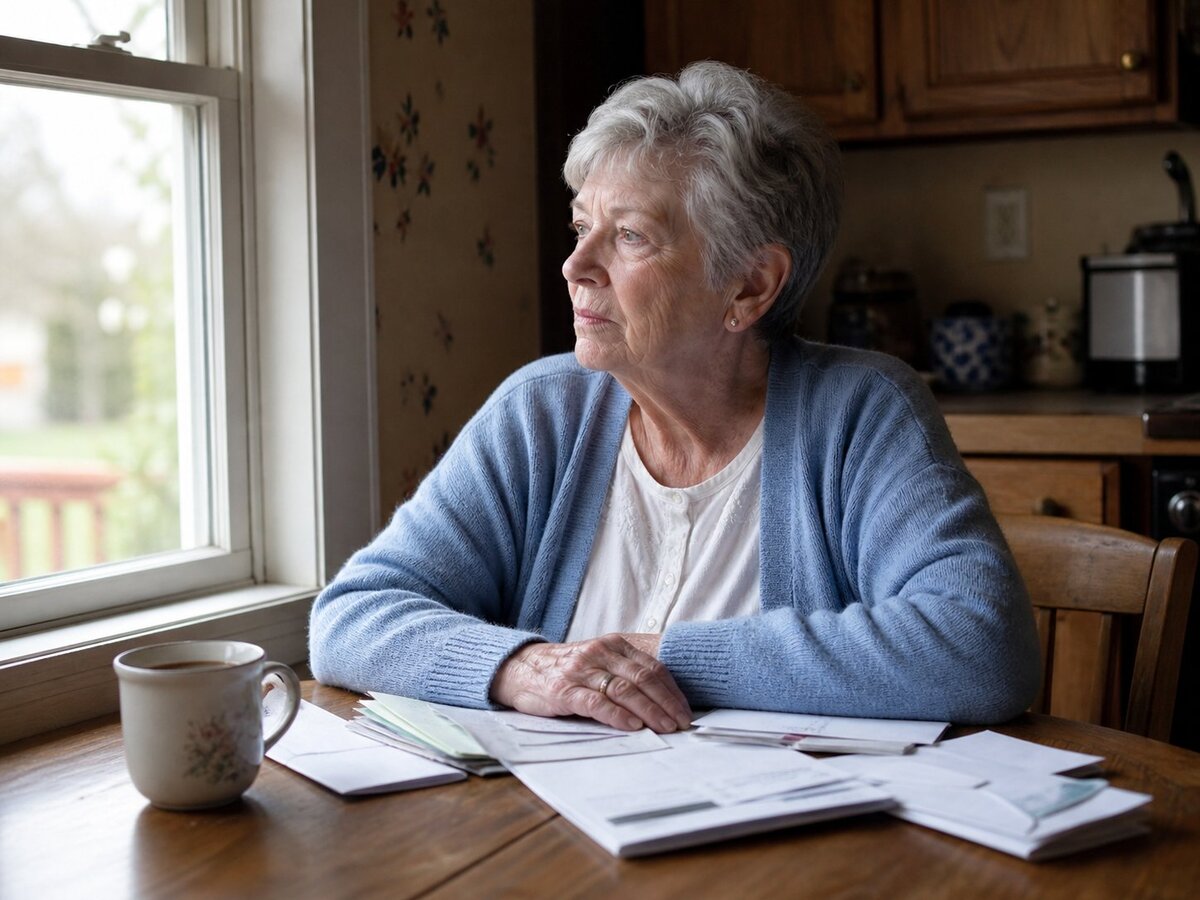
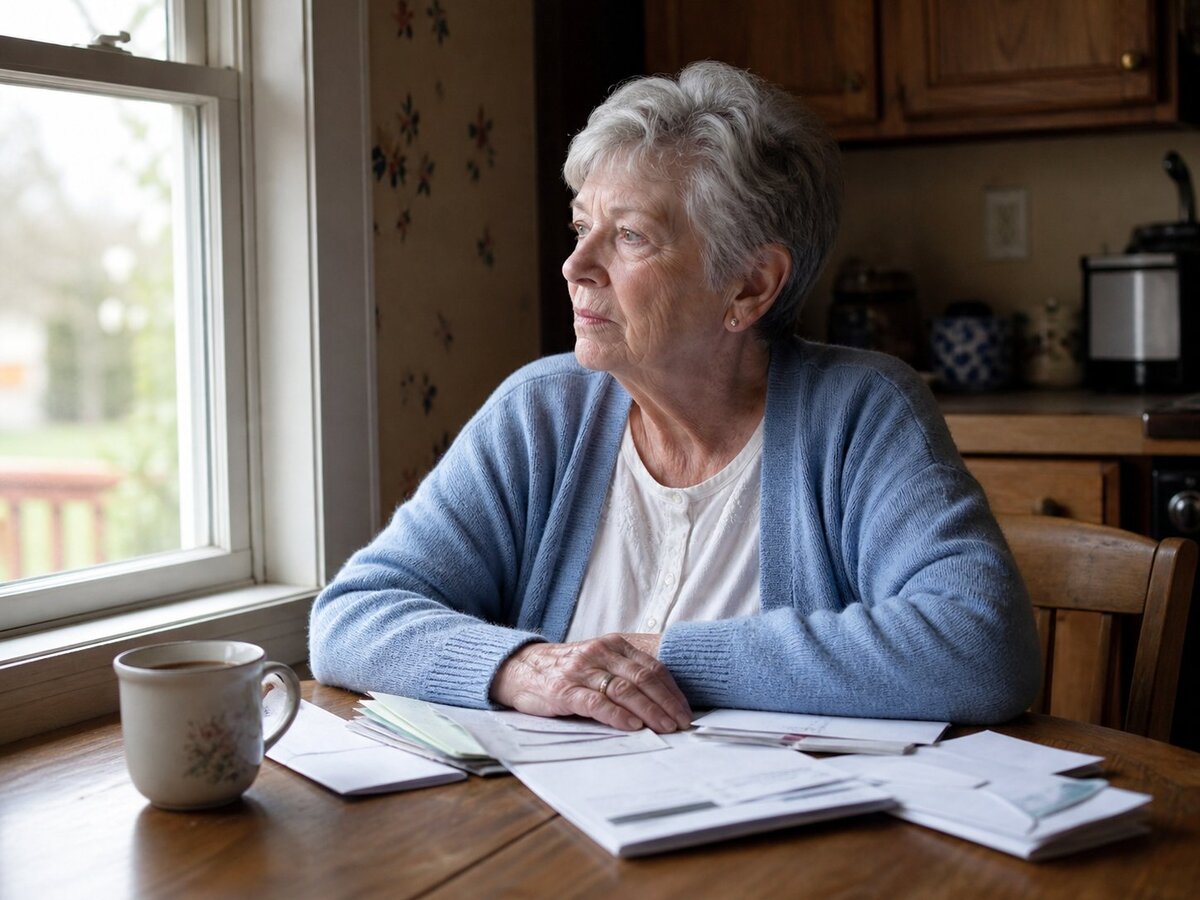
01 Senior woman at home

Seniors on Fixed Incomes

Throughout Oakland County

For homeowners on Social Security and pension income, every property tax increase is a real cut to monthly groceries, prescriptions, or utilities. Cost-of-living adjustments don't keep up with property taxes that rise automatically with assessed value.

Many of these seniors paid school taxes when their children were in school. They paid them when their grandchildren were in school. They've been paying for decades — long after their kids graduated.

→ Now asked to pay several hundred more, every year, for six more years.
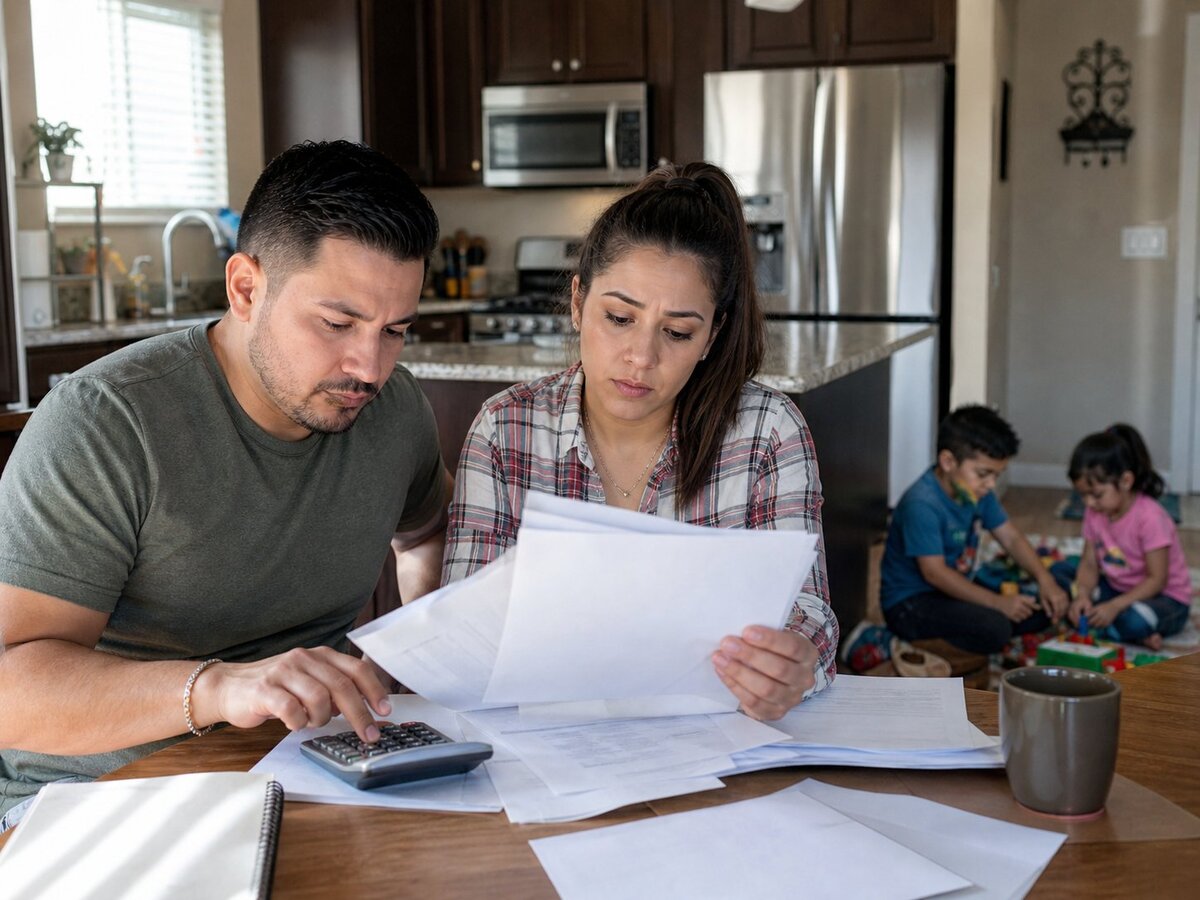
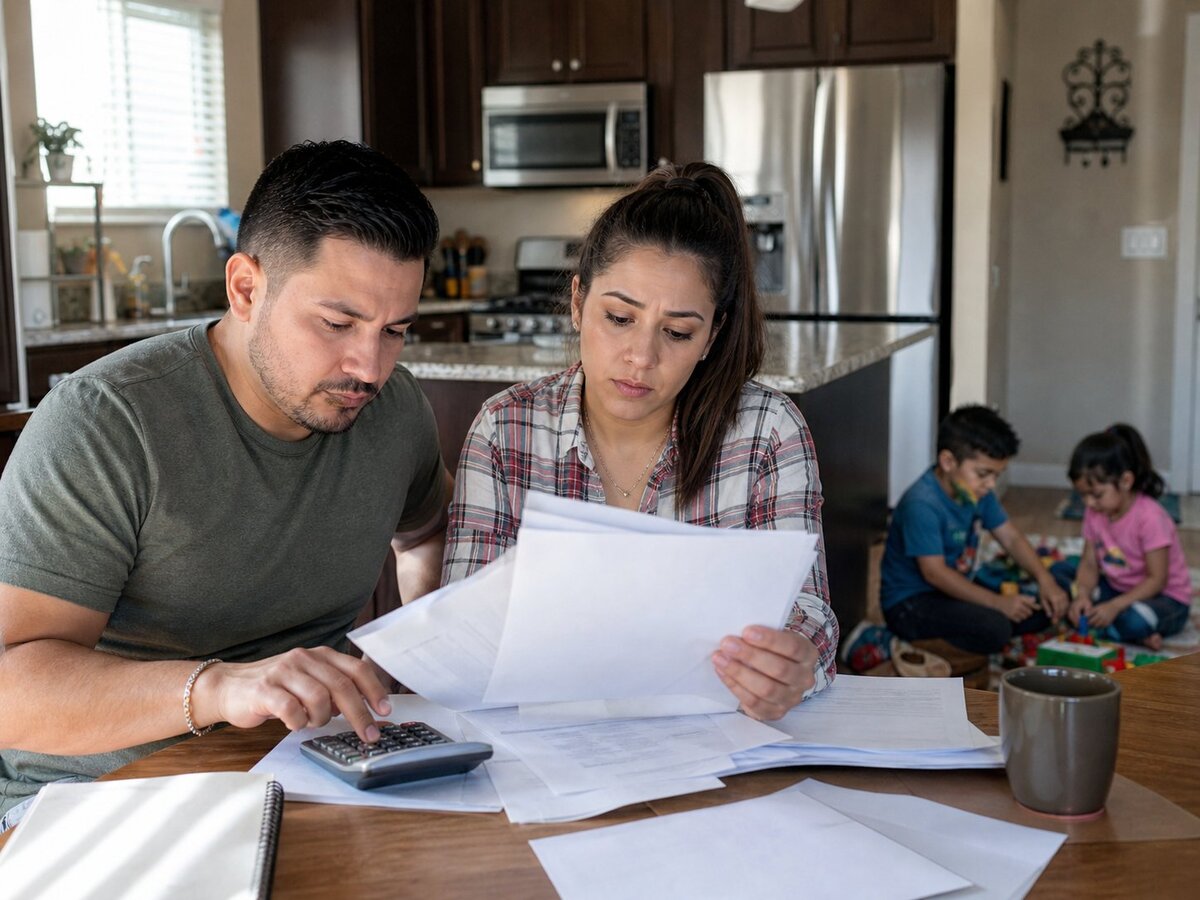
02 Young family at home

Young Families & First-Time Buyers

Farmington Hills, Royal Oak, Madison Heights, Troy

Households who bought into Oakland County in the last few years did so at the highest mortgage rates in two decades. They're already paying record property taxes on top of record interest payments. Daycare, groceries, and insurance have all surged.

For these families, another $375–$525 a year isn't a rounding error. It's a car repair postponed. A retirement contribution skipped. A vacation cancelled.

→ For a tax with no plan — just a promise to spend it "as needed."
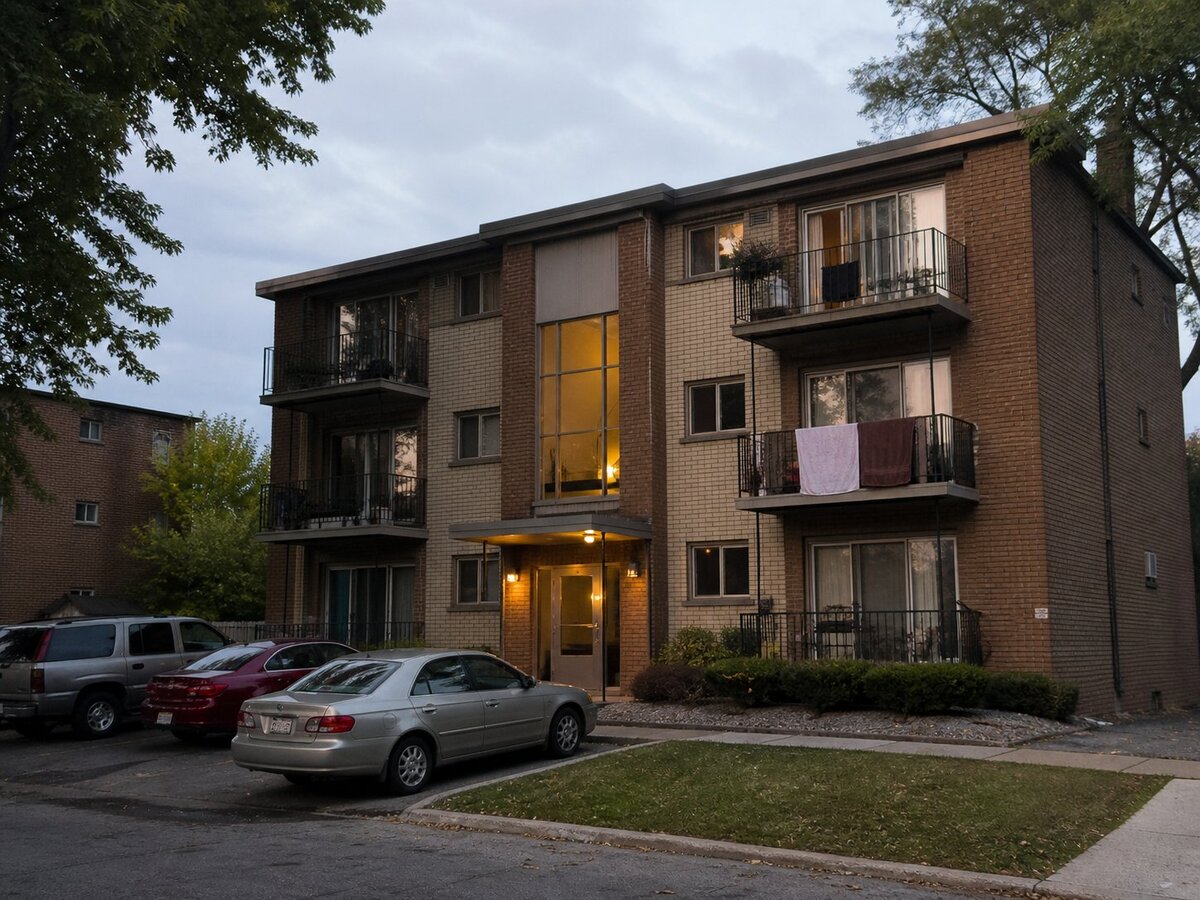
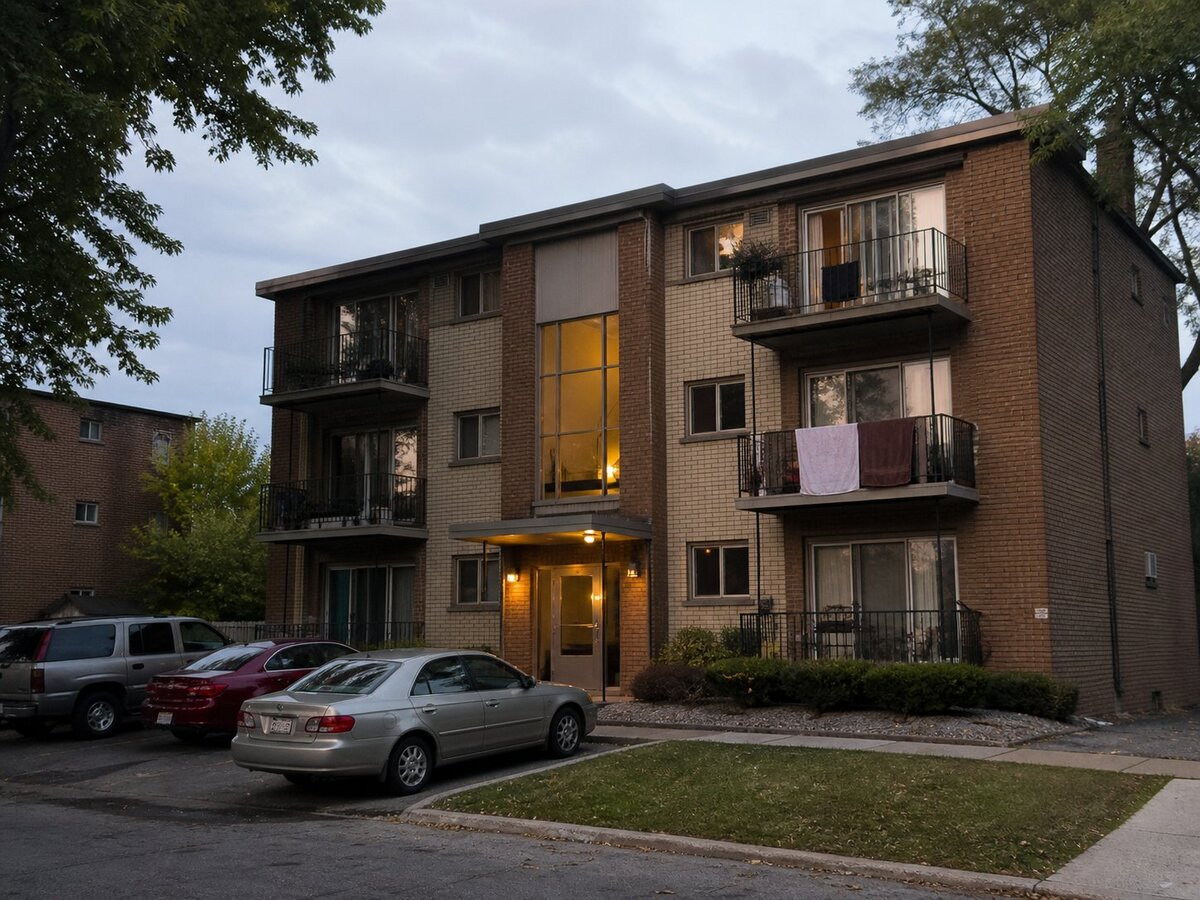
03 Apartment building

Every Renter

In Oakland County

If you rent, you might think this doesn't touch you. It does. Property taxes on rental properties are not exempt from this millage — and every landlord in Oakland County will pass the cost directly into your next lease renewal.

Rents in Pontiac, Royal Oak, Ferndale, and Madison Heights are already breaking records. This millage will push them higher.

→ There is no version of this tax where renters don't pay.
— What They Won't Tell You

Five truths the "Yes" campaign
is hoping you never hear.

School

"Operating costs are — and should remain — the state's responsibility. Not an extra burden on local homeowners."

— Beth Litkouhi, Rochester School Board, Detroit News
01

Oakland already has the HIGHEST property taxes in Michigan

It's not even close. Oakland contributes more to school funding than any other county in Michigan — precisely because of its high property values. This isn't a county starved of school funding. It's a county being asked to hand over more.

02

A school board member was CENSURED for warning the public

When Rochester school board member Beth Litkouhi wrote an op-ed opposing this proposed tax, her own board formally censured her — for sharing "information that was not yet public." She was told these conversations were happening quietly on purpose. She is now suing the district for First Amendment violations.

That's not transparency. That's a gag order.

03

Your district may have voted NO — and you're paying anyway

Oxford Community Schools voted unanimously against placing this on the ballot. Clawson voted against it too. But under the "50% + 1" rule, the tax appears on every voter's ballot — even in districts that voted no.

This is countywide taxation without local consent.

04

This breaks the promise Michigan made in 1994

Under Proposal A, the state funds school operating costs. Local taxes fund buildings and infrastructure. That was the deal. This millage shreds it — creating a brand new, unrestricted, countywide operations tax stacked on top of what the state already manages.

05

There is no plan for how the money is spent

Bond dollars are restricted. Sinking fund dollars are restricted. This tax? Each district decides, behind closed doors, year to year. It could go to administrator raises, consulting contracts, or anywhere else. When a tax has no required purpose, it has no required accountability.

That's the textbook definition of a blank check.

Tuesday · Polls Open 7am–8pm

Vote NO.

August 4, 2026 · Oakland County Special Election
— Their Claims. Our Receipts.

Every quote below is from their own website.
Every rebuttal is sourced.

The pro-tax campaign at oaklandenhancementmillage.com makes specific claims to Oakland County voters. We pulled them straight from their site, and matched each one with documented evidence — most of it from their own school district leaders.

01
They Claim
"A regional enhancement millage is the only mechanism school districts may use to increase per-pupil funding."
Source: oaklandenhancementmillage.com
The Receipt

This is not the only mechanism. It's the easiest one for them.

Districts can pursue bonds, sinking fund renewals, enrollment recruitment, fee restructuring, and operational alignment. The "only mechanism" framing is rhetorical pressure, not fact.

And the state isn't starving schools. According to Trustee Carol Beth Litkouhi of the Rochester School Board, writing in the Detroit News:

"The state just passed a record-breaking education budget, providing $10,050 per student — the highest in Michigan's history. If districts are struggling, we should examine how resources are allocated before asking taxpayers for more." — Carol Beth Litkouhi, Detroit News, Oct. 30, 2025
02
They Claim
"If the millage passes, funds could be used for: Staff recruitment and retention to maintain excellent staff... Expand professional development... Enhance student wellness supports... Improve and/or maintain safety and security initiatives..."
Source: oaklandenhancementmillage.com
The Receipt

Read their own fine print. It's a wish list, not a plan.

Buried in italics directly underneath that bullet list, on their own site:

"(actual use would be determined by each school district)" — oaklandenhancementmillage.com

Translation: none of those uses are required. The ballot itself says only "for school operating purposes" — anything from administrator raises to consulting contracts. Trustee Litkouhi confirmed it on the record:

"The funds would be unrestricted — usable for salaries, benefits, technology, athletics, yet there's no defined plan explaining why more revenue is needed or how it would be used." — Carol Beth Litkouhi, Detroit News
03
They Claim
"Forty-Four percent of students in Michigan receive enhancement millage funding already."
Source: oaklandenhancementmillage.com
The Receipt

True — and irrelevant. Wayne and Macomb aren't Oakland.

Districts in Wayne and Macomb counties pursued enhancement millages because of weak tax bases and crisis-level operating shortfalls. Oakland is the wealthiest county in Michigan, with the highest property values and largest per-student spending. The comparison is apples to bricks.

"Districts in counties like Macomb and Wayne, which rely on enhancement millages, face very different circumstances. Many lack strong sinking funds and have far lower taxable values, so they depend more on local millages for basic operations. Using other counties as justification ignores these differences." — Carol Beth Litkouhi, Rochester School Board
04
They Claim
"School costs continue to rise faster than state funding, due to inflation."
Source: oaklandenhancementmillage.com
The Receipt

The issue isn't funding. It's how Rochester is spending what it has.

From a sitting Rochester school board member, with direct district knowledge:

"In Rochester, enrollment has declined by about 1,000 students since 2018, while staffing has increased by roughly 500 positions (many of them non-instructional). The issue isn't funding. It's a lack of alignment between staffing, enrollment, and results." — Carol Beth Litkouhi, Detroit News

Asking voters for more money before fixing internal alignment is the wrong direction.

05
What They Don't Say
The pro-tax site presents this as an open, transparent decision by school boards across Oakland County.
Implied throughout oaklandenhancementmillage.com
The Receipt

The Detroit News obtained the texts. The plan was to keep voters out.

From text messages between Rochester Superintendent Nicholas Russo and school board members, obtained and reported by the Detroit News:

"It is critical to understand that talking about this now would only serve to impact county board members and residents as nothing has been decided. Please keep this confidential. In the coming weeks, if there is support, we would be discussing at an open meeting and voting." — Superintendent Nicholas Russo, Rochester Community Schools, Sept. 26, 2025 text

When Trustee Litkouhi asked, "If this is about eventually putting an issue for a public vote, why would it need to be hidden from the public?" — the response was, in essence, that's not how it's done. She was later censured by her own board for writing about it publicly.

— Take Action

This is a low-turnout August election.
Every conversation changes the math.

Special-election school millages typically pass with 8–12% of registered voters. The "Yes" side already has its volunteers, its mailers, and its budget. We have neighbors. That's enough — if we use it.

Vote NO on Aug 4

Polls open 7am–8pm. Bring photo ID. Or vote absentee from your kitchen table — no excuse needed.

Find Your Polling Place

Get a Yard Sign

Free, delivered to your door. Yard signs in August won't decide the election — but they remind every neighbor a vote is coming.

Request a Sign

Tell 5 Neighbors

The single highest-leverage thing you can do. In a low-turnout election, five conversations from one block can change a precinct.

Copy Link to Share

Volunteer

Drop literature on a Saturday. Make calls. Host a small living-room meeting. We have the materials. We need you.

Sign Up
— Questions, Answered

The "Yes" side has a glossy website.
Here are the honest answers.

What exactly is on the August 4 ballot?

A countywide, six-year, 1.5-mill Regional Enhancement Millage. If approved, Oakland County homeowners would pay an additional 1.5 mills (roughly $1.50 per $1,000 of taxable value) on top of every existing property tax. It is estimated to collect approximately $125 million per year — roughly $750 million total over its six-year life.

I thought Proposal A fixed all this in 1994. Why is this happening?

Proposal A was designed so the State of Michigan funded school operating costs and local taxes funded buildings. Enhancement millages were a narrow exception — never meant to become routine. This tax expands that exception into a permanent, countywide operating tax. It unwinds the core bargain of Proposal A.

How is the money spent? What does it have to go toward?

Anything. Each district gets its per-pupil share and decides — year to year, behind closed doors — how to spend it. Unlike bond or sinking-fund dollars, there are no legal restrictions on use. It can be operating expenses, raises, consulting contracts, or anything else. No required audit trail. No required plan.

My district voted against it. Why am I still being taxed?

Under Michigan law, if school boards representing a simple majority (50% +1) of students vote yes, the millage appears on every voter's ballot countywide. Oxford and Clawson voted NO — but their residents still pay this tax if it passes. This is countywide taxation without local consent.

Don't the schools need this money?

Oakland County districts are, on average, among the best-funded in the state. Rochester Community Schools spends over $15,000 per student — more than most private schools in Michigan — and maintains roughly $48 million in reserves. Many Oakland districts are operating with strong fund balances. The real question isn't whether more money helps. It's whether this specific tax, structured this way, is how Oakland County families should foot the bill.

Other counties have enhancement millages — why not us?

Wayne and Macomb counties have enhancement millages because their districts face very different financial circumstances — lower taxable values, weaker sinking funds, heavier reliance on local millages for basic operations. Oakland is fundamentally different: higher property values, higher existing taxes, stronger per-pupil funding. Comparing Oakland to Wayne or Macomb isn't a fair comparison. It's a rhetorical trick.

How do I vote against it?

Three ways:

(1) Vote in person on Tuesday, August 4, 2026, at your assigned polling location. (2) Request an absentee ballot from your local clerk or at Michigan.gov/vote. (3) Tell five neighbors. In a low-turnout August special election, every conversation matters.